
How Much Is Car Insurance?
In almost all states, a minimum amount of car insurance is required. Learn more about how much car insurance costs, what factors determine the rates, and more.

by COUNTRY Financial
Choosing car insurance is a financial decision, not a form you fill out once a year. Limits, deductibles, and add-ons may significantly affect your financial situation after a crash.
This guide covers how to approach liability limits, collision and comprehensive decisions, and comparing insurers using a consistent checklist.
Find out more about car insurance.
Find out more about car insurance.
Most states require liability coverage, but state minimums often may not cover the real cost of a serious crash. The U.S. Department of the Treasury's Federal Insurance Office reports that all states and D.C. require liability coverage except one. That is the legal baseline. Reviewing your limits to help address potential exposure to income and assets if a claim exceeds the minimum may be worth considering. Review your limits at least once a year and after any major life change.
State minimums establish a legal baseline. They do not guarantee you can pay for major injuries or significant property damage.
Use this quick exposure check:
You commute daily or drive in heavy traffic.
You own a home or have savings you want to consider.
You add a teen driver or a new driver to your policy.
You drive a newer car with higher repair costs.
Look up your state minimum liability limits.
Consider what financial exposure you have, such as savings, home equity and income.
Selecting higher limits may help reduce potential out-of-pocket exposure after a serious loss.
Confirm how your policy is written, including split limits and what they mean in dollars.
Use this Treasury Federal Insurance Office auto insurance analysis for market context and consumer considerations related to rating factors and technology.
Liability coverage is designed to help pay for injuries and property damage you cause, up to your policy limits. If your limits are low, a large claim can result in personal financial risk. Starting by estimating what could be at stake if an accident involves injuries, multiple vehicles or property damage beyond a typical fender bender may be worth doing.
Ask yourself:
If I caused a serious crash, what assets and income could be exposed?
Do I have savings, home equity or other assets worth considering?
Do I drive often, carry passengers or drive in high traffic areas?
A practical approach:
Higher assets and higher income may justify higher liability limits.
If you have limited assets today, liability still matters because future income can be affected in some situations.
Umbrella insurance can provide extra liability coverage above your auto policy limits. It may be worth exploring when:
You have higher net worth.
Your household has multiple drivers.
You are looking for additional coverage options beyond auto and home liability.
For a clear refresher on what liability covers, start here: liability car insurance basics.
Collision and comprehensive coverage are designed to help pay to repair or replace your car after a covered event, but they may only make sense if the potential payout is meaningful after your deductible. If you lease or finance, your lender typically requires both. If you own your vehicle outright, basing the decision on replacement cost, your savings and how much risk you want to carry may be a practical approach.
Collision typically applies when you hit another vehicle or object while driving. Comprehensive typically applies when a non-collision event damages your car.
Common comprehensive examples:
Theft
Vandalism
Storm damage
Fire
Falling objects
Animal strikes
Use this guide for definitions and examples: comprehensive vs. collision coverage.
Loan or lease? Review your agreement, as collision and comprehensive are typically required, but terms vary.
Estimate your vehicle's current value.
Compare expected payout to your deductible and the premium cost.
Consider: if the car were totaled, could you replace it without taking on high-interest debt?
If you want a quick overview of common auto coverages before you decide, use: six types of auto coverage explained.
Your deductible determines how much you pay before your coverage responds to a covered claim, so aligning it with your savings rather than your optimism may be worth considering. Higher deductibles may result in lower premiums, but they increase the cash you would need to produce during a claim.
A few things worth thinking through:
Consider a deductible you could comfortably cover from your emergency fund today.
If covering it would require a credit card or loan, a lower deductible may be worth considering.
| Deductible level | May suit | Key strength | Worth considering |
|---|---|---|---|
| $250 to $500 | Those with more limited emergency savings | May mean lower out-of-pocket cost at claim time | May result in higher premium over time |
| $1,000 | Those with more stable savings | May result in lower premium | Higher out-of-pocket cost after a loss |
| $1,500 or higher | Those with stronger cash reserves | May result in lower premium overall | Higher out-of-pocket cost for mid-size repairs |
Available deductible options vary by policy and state. A COUNTRY Financial representative can confirm which options are available for your situation.
Premium trends are worth factoring into this decision. The NAIC reported combined average premiums increased 14.41 percent in 2023, and average expenditures rose to $1,281.60, up 19.21 percent since 2019. Use the original release for the full figures.
Uninsured and underinsured motorist coverage and medical coverages are designed to help when the other driver cannot pay, or when injuries result in significant medical bills. You cannot control whether another driver has insurance or meaningful limits. Building this part of your policy around realistic exposure, especially if you drive often or carry passengers, may be worth considering.
The Insurance Research Council reported 15.4 percent of motorists were uninsured in 2023, which is more than one in seven drivers, as summarized by the Insurance Information Institute. That makes uninsured motorist (UM) and underinsured motorist (UIM) coverage a practical consideration for many households, not a niche add-on. Use this source for the rate and definition.
Medical Payments Coverage (MedPay) and Personal Injury Protection (PIP) vary by state and policy structure.
MedPay may help pay medical bills for you and passengers, regardless of fault, in many states.
PIP is common in no-fault states and may cover broader benefits depending on state rules.
Action steps:
Confirm whether your state requires PIP.
Review your health insurance deductible and out-of-pocket maximum.
Selecting MedPay or PIP limits that may help address potential financial exposure if you need care after a crash is worth discussing with a representative.
Price matters, but claims handling, available discounts and how insurers use your data may significantly affect your overall experience with a policy. Compare quotes using the same limits and deductibles, then evaluate how each insurer supports claims, what discounts you qualify for and how they use telematics data if you opt in.
Ask each insurer:
How do I file a claim and track it online or in an app?
What support exists during repairs, rental coordination or a total loss?
What documentation will you need from me and when?
If you want a concrete example of claim steps and tracking options, COUNTRY Financial outlines a typical flow here: car insurance claims process.
J.D. Power reported U.S. auto insurance rates were up 11.2 percent on average in the prior year in its 2024 U.S. Auto Insurance Study press release. Rate pressure makes discounts and renewal reviews worth revisiting more regularly. Use the original release here.
If you consider telematics, the Treasury's FIO notes that technology, including AI, may align premiums with driving behavior but can raise security, privacy and transparency considerations. Use these questions before you opt in:
What data is collected and how long do they keep it?
Can you opt out later and does that change your price?
How does a claim affect your future telematics score?
Gather inputs: VIN, current limits, deductibles, annual mileage, drivers and garaging address.
Request quotes using the same limits and deductibles.
Confirm uninsured motorist (UM), underinsured motorist (UIM), MedPay and PIP options for your state.
Review exclusions and endorsements, including rental reimbursement and roadside assistance.
Validate discounts and what proof you must provide.
Confirm claim filing options, hours and support channels.
Re-quote at renewal and after life changes, such as a new driver, new car or new commute.
Creating a one-page "coverage snapshot" may help you compare insurers on equal ground. Writing down your state minimums, your target liability limits, your vehicle value and loan status, your deductible comfort level and the protections you are considering for uninsured drivers and medical bills, then requesting quotes using the same inputs, may make differences easier to evaluate.
State minimums establish a legal baseline, but they may not address potential exposure to assets or income after a serious crash. Selecting limits based on your financial situation, how much you drive and how much risk you can absorb without debt may be worth discussing with a representative.
Dropping collision may be worth considering if you could replace the car without creating financial strain and you are comfortable with that risk. If you have a loan or lease, your lender typically requires it; reviewing your agreement is a practical first step.
A deductible that aligns with what you can comfortably cover from savings may be worth considering. If covering $1,000 today would create financial strain, a lower deductible may be a better fit for your current situation.
Many drivers are uninsured and many others carry low limits. Uninsured motorist (UM) and underinsured motorist (UIM) coverage are designed to help when the other driver cannot pay for injuries or damage. This coverage may be especially worth considering if you drive often or carry passengers.
Telematics may result in lower premiums for some drivers, but reviewing data collection, retention, and opt-out rules before enrolling is worth doing. Ask how pricing may change at renewal and what happens if your driving patterns change. COUNTRY Financial offers a telematics program. Ask a local representative for details on how it works and what data is involved.
Updated 3-26-26
In almost all states, a minimum amount of car insurance is required. Learn more about how much car insurance costs, what factors determine the rates, and more.

Compare a $500 vs $1,000 car insurance deductible. Learn how deductibles affect premiums, claims, and cash flow so you can choose the right option with confidence.
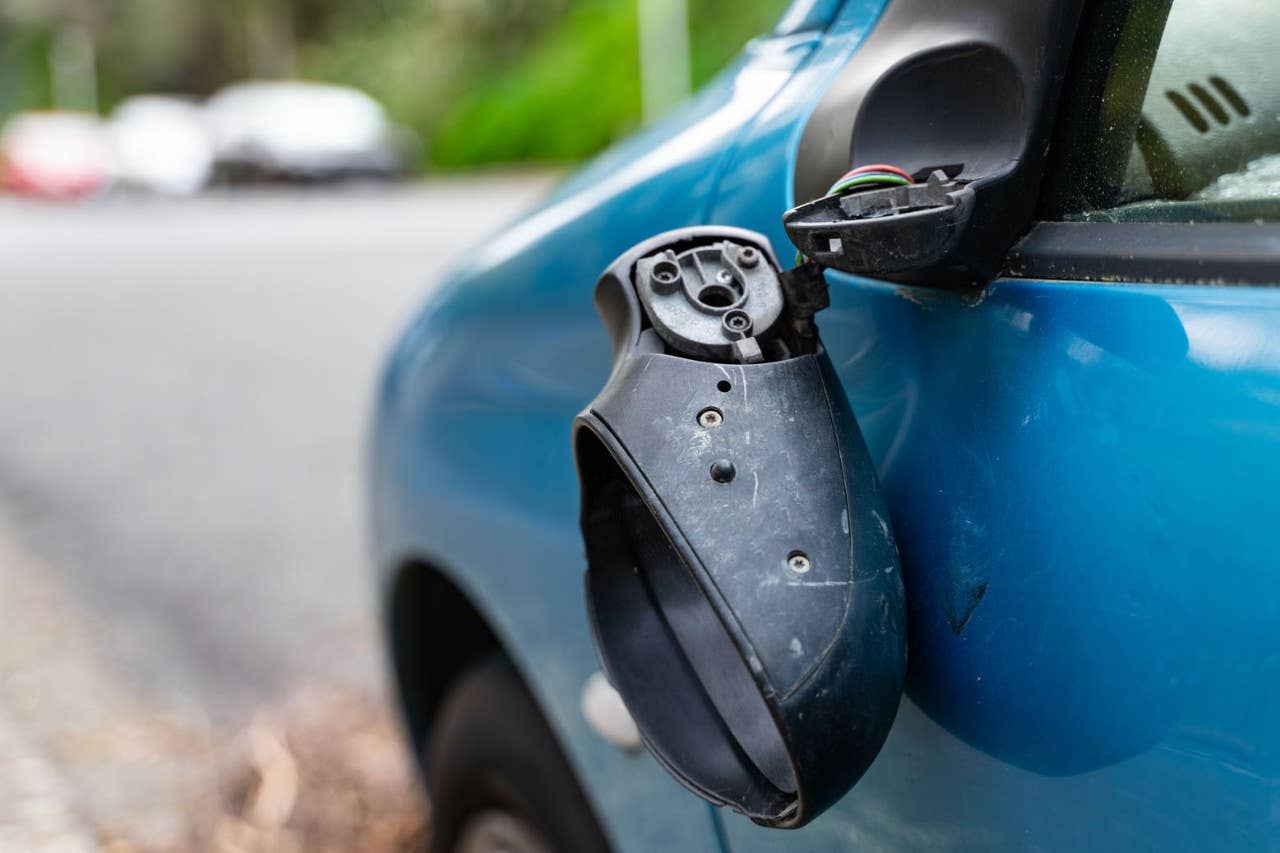
Comprehensive car insurance typically covers your vehicle if you have damage or vandalism from theft. Learn more about what is covered by your car insurance.
Contact your rep or call us at 866-COUNTRY (866-268-6879). Find out more about car insurance.
COUNTRY Financial® is a family of affiliated companies (collectively, COUNTRY) located in Bloomington, IL. Learn more about who we are.
Auto insurance policies issued by COUNTRY Mutual Insurance Company®, COUNTRY Preferred Insurance Company® and COUNTRY Casualty Insurance Company®, Bloomington, IL.
The descriptions provided are for general informational purposes only and are not intended to constitute an insurance policy or to modify, amend, or extend the terms, conditions, or coverages of any insurance policy. Coverage, terms, limitations, and exclusions vary. For complete details, please refer to the applicable insurance policy or contact a COUNTRY representative today.