
How Much Car Insurance Do I Need? Calculate Your Coverage
Explore how liability, deductibles, and optional protections factor into car insurance decisions and coverage options based on your situation.
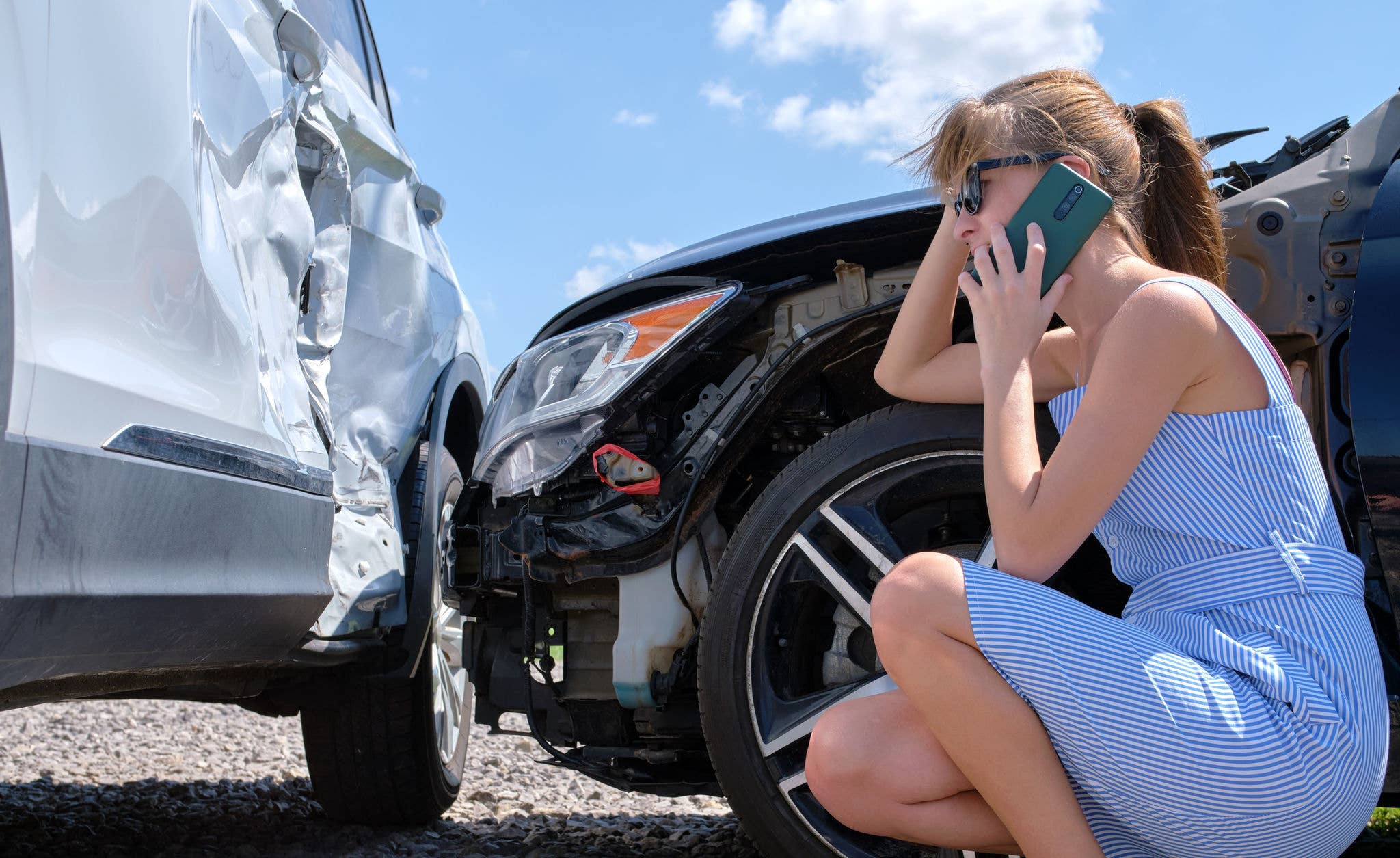
by COUNTRY Financial
A car is considered totaled when the cost to fix damage is more than the vehicle is worth. In insurance terms, this situation is also known as a total loss vehicle.
Most total losses occur due to an accident, but it doesn’t have to be a severe one. Some cars simply cost more to repair. A car can be considered totaled even after a seemingly minor incident, and sometimes (though rarely) even due to a mechanical failure. Any time the cost of repairs eclipses the car’s value, the car is totaled.
Once a vehicle is deemed a total loss—regardless of the cause—insurers typically do not cover repairs, and the vehicle is considered beyond economical repair.
Still, you do have some options if your car is totaled.
Find out more about car insurance.
Find out more about car insurance.
First, you don’t decide whether your car is totaled—your car insurance company does. It uses several methods to do so:
What happens next depends largely on who caused the accident:
Your car’s payout is typically based on its actual cash value, which reflects the vehicle’s worth just before the accident, taking age, mileage, condition and market value into account.
A financed car is one that you are still paying off through a lender, such as a bank or credit union. Totaling a financed car can be stressful, but the process is usually straightforward:
Totaling a leased car is different because, technically, the leasing company owns the vehicle—not you. You won’t see a check for the car’s actual cash value, as your insurance will pay it directly to the leasing company instead.
Once the payout is issued, the lease is typically terminated. If the insurance settlement does not cover the full amount owed on the lease, you may be responsible for paying the remaining balance out of pocket. Many lease agreements require GAP insurance, which can help cover the difference.
In some situations, if the car’s value exceeds the remaining lease payoff, you may receive a refund for the excess amount. Don’t bank on this, though; it’s much less common.
All this is to say, be careful with financed or leased cars. Having one declared totaled can be a major headache.
Understanding what happens if a car is totaled is important. It can help you determine the right car insurance coverage to buy and could even make you a safer driver.
To ensure you’re prepared for an accident where your car is totaled—especially if your car is financed or leased—talk to your insurance agent today. They can help you determine how much coverage you need and answer any questions.
Explore how liability, deductibles, and optional protections factor into car insurance decisions and coverage options based on your situation.
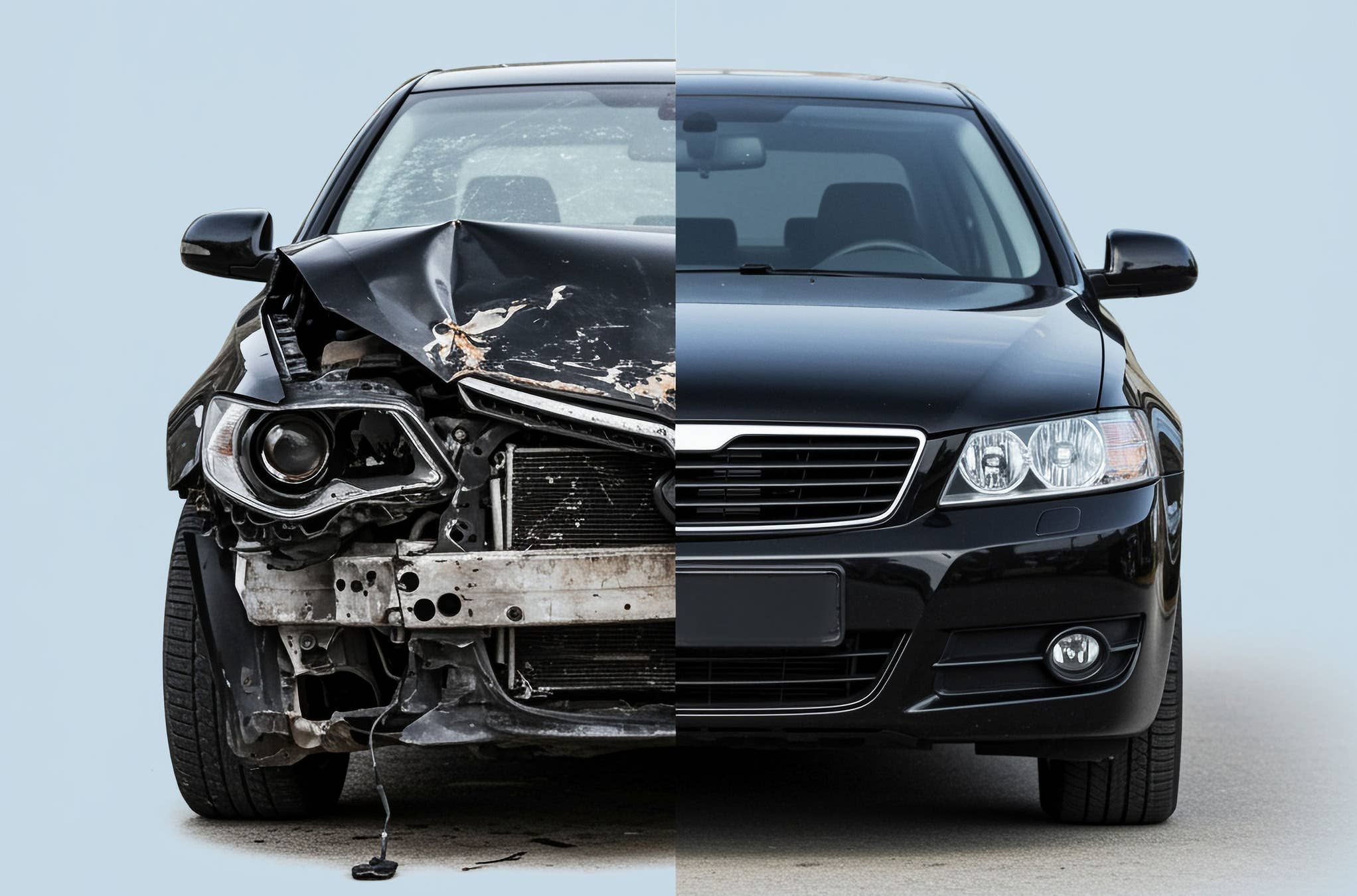
A vehicle with a salvage title is a vehicle that is deemed not road safe due to extreme damage. Learn more about salvage titles and rebuild titles.

There are six main types of car insurance coverage. Learn about what they cover, which auto insurance coverage you need, additional coverages and more.
Contact your rep or call us at 866-COUNTRY (866-268-6879). Find out more about car insurance.
COUNTRY Financial® is a family of affiliated companies (collectively, COUNTRY) located in Bloomington, IL. Learn more about who we are.
Auto insurance policies issued by COUNTRY Mutual Insurance Company®, COUNTRY Preferred Insurance Company® and COUNTRY Casualty Insurance Company®, Bloomington, IL.
We take pride in providing accurate, truthful information in our articles. See our editorial standards to learn more.