
What Is Full Coverage Car Insurance?
Full coverage car insurance includes at least three types of protection for your car. See which car insurance coverages are best for you.

by COUNTRY Financial
Many drivers carry car insurance without knowing whether it actually protects them. They meet state requirements, pick a deductible, and hope it is enough.
This guide walks through a clear step-by-step approach to help you calculate your coverage. This guide covers how to approach liability limits, collision and comprehensive decisions, deductibles, and uninsured driver protection based on your financial situation
Find out more about car insurance.
Find out more about car insurance.
State minimum liability coverage keeps you legal, but it rarely covers the full cost of a serious accident. Most states require liability insurance, but those limits often fall short when injuries, lawsuits, or multiple vehicles are involved. State minimums serve as a legal baseline, and coverage options can be explored based on your financial situation.
State minimums are designed for compliance, not protection. They may not cover:
State minimum liability requirements establish a legal threshold for drivers, not a guarantee of financial protection in the event of a serious accident.
Look up your state minimum liability limits.
Write them down as your baseline.
Liability coverage is designed to help cover what you own today and what you earn in the future. If you cause an accident, liability insurance is intended to help pay for injuries and property damage up to your policy limits. Costs beyond that may come out of your pocket.
Learn how liability insurance works before setting limits.
Ask yourself:
Do I have savings or investments?
Do I own a home or property?
Do I earn steady income that could be targeted in a lawsuit?
Use this rule of thumb:
Higher assets and income usually justify higher liability limits.
Even with limited assets, future income can still be exposed.
Driver causes a crash with two injured passengers.
Medical bills total $180,000.
Property damage totals $45,000.
If liability limits are too low, the driver may face out-of-pocket costs even after insurance pays.
Collision and comprehensive coverage are designed to help cover your own vehicle, and may be worth considering when the potential payout outweighs the cost. These coverages are often required for leased or financed vehicles, but are optional for cars owned outright.
Review how collision and comprehensive coverage apply to your vehicle.
Collision and comprehensive usually make sense if:
You may consider dropping collision and comprehensive if:
A deductible that aligns with what you can reasonably pay out of pocket may help reduce financial stress after a claim. A higher deductible may result in lower premiums but could mean higher out-of-pocket costs if a claim occurs.
Understanding how deductibles work helps avoid surprises after a claim.
A few things worth considering:
Review your emergency savings.
Choose a deductible you could comfortably afford if you had a claim.
A $1000 deductible when you have only $700 in your savings account may create stress if you have a covered loss.
Uninsured and underinsured motorist coverage is designed to help in situations where the other driver cannot pay. This coverage matters because you cannot control who hits you.
The Insurance Research Council reported that 15.4 percent of drivers were uninsured in 2023, meaning roughly one in seven drivers may lack coverage.
Explore how uninsured motorist coverage is designed to help in these situations.
Uninsured and underinsured coverage is especially important if:
You commute frequently.
You drive in high traffic areas.
You rely on your car for work or school.
This coverage helps pay for injuries and damage when the at fault driver has little or no insurance.
Reviewing the same key questions each time may help you approach coverage decisions more consistently. Use this checklist before requesting quotes.
State minimum liability limits
Assets and income to consider
Vehicle value and loan status
Deductible you can afford
Uninsured motorist risk
Medical coverage needs
Once you define these factors:
Request quotes with the same limits and deductibles.
Compare coverage terms, not just price.
Adjust coverage if premiums exceed your budget without reducing core protection.
COUNTRY Financial auto insurance helps drivers align coverage with real risk, not guesswork.
Coverage needs change over time. Review your car insurance when:
Income or assets increase.
You buy or sell a vehicle.
You pay off a loan.
Premiums change at renewal.
Regular reviews help ensure your coverage stays aligned with your current situation.
State minimums establish a legal baseline, but may not be sufficient to cover the full cost of a serious accident. Higher limits may be worth considering to help cover potential exposure to income and savings.
Base liability limits on what you could lose in a lawsuit, including savings, property, and future income.
Only if replacing the car without debt would be difficult. Otherwise, you may save money by dropping it.
Some drivers choose to match uninsured motorist limits to their liability limits as a way to help address potential exposure from uninsured drivers.
Updated 3-24-26
Full coverage car insurance includes at least three types of protection for your car. See which car insurance coverages are best for you.

There are six main types of car insurance coverage. Learn about what they cover, which auto insurance coverage you need, additional coverages and more.
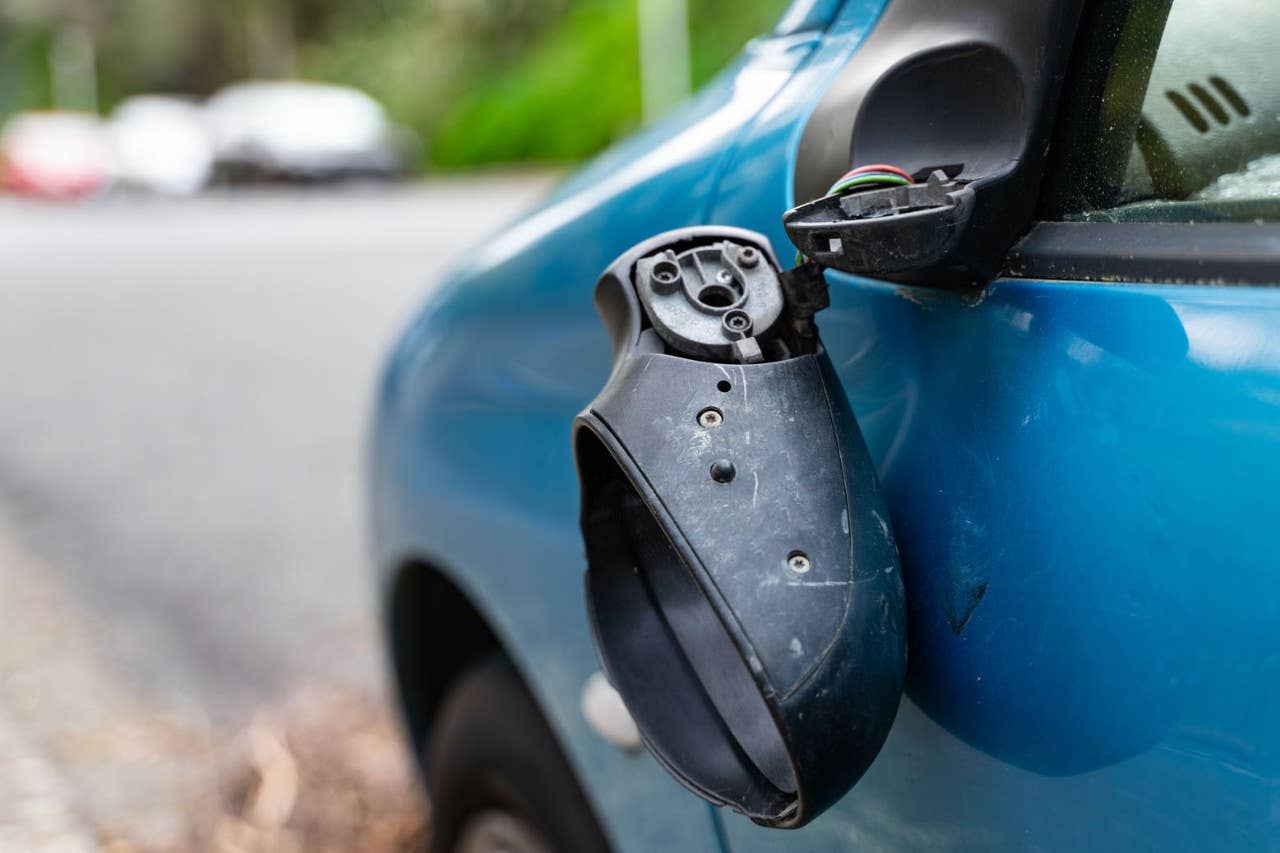
Comprehensive car insurance typically covers your vehicle if you have damage or vandalism from theft. Learn more about what is covered by your car insurance.
Contact your rep or call us at 866-COUNTRY (866-268-6879). Find out more about car insurance.
COUNTRY Financial® is a family of affiliated companies (collectively, COUNTRY) located in Bloomington, IL. Learn more about who we are.
Auto insurance policies issued by COUNTRY Mutual Insurance Company®, COUNTRY Preferred Insurance Company® and COUNTRY Casualty Insurance Company®, Bloomington, IL.