
What Is Liability Insurance?
Liability insurance protects you if you cause injury or damage to someone else or their property. Learn about the different types, what they cover, and more.
by COUNTRY Financial
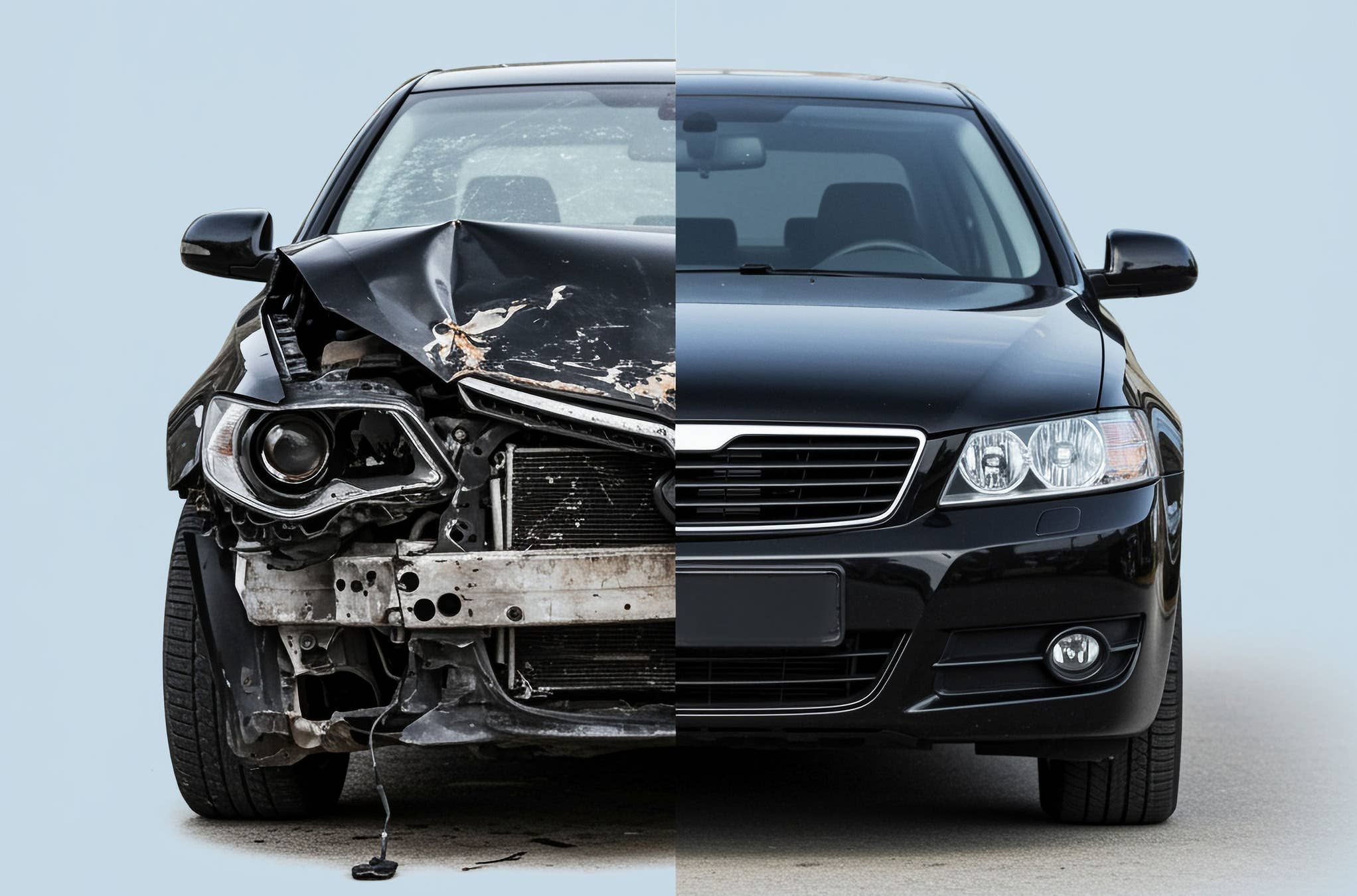
In car insurance, a salvage title is a special designation given to a vehicle that has sustained extensive damage in some form. The title is issued by the state after an insurance company deemed the car a “total loss”, which means it would cost more to repair than the car is worth.
Vehicles with salvage titles are sometimes referred to as “salvage vehicles” and, more commonly, “totaled” cars. These cars are not legally considered safe or roadworthy until significant repairs are made, and buying a salvage-titled car can have serious impacts on car insurance coverages.
Find out more about car insurance.
Find out more about home insurance.
Cars with salvage titles cannot be legally driven on public roads or sold to someone else. It serves as a warning to buyers and authorities that the vehicle has suffered major damage, making it undrivable.
Salvage titles can be issued when a car has experienced extreme damage from:
Remember, a car doesn’t necessarily have to be physically incapable of driving to receive a salvage title. The main factor is whether the repairs will cost more than the car’s market value.
Say, for example, you have a 20-year-old car that suffers severe water damage, but only to the interior. It may be perfectly drivable, but because of its age, the water damage would cost more to repair than the car is worth.
When your car is declared a total loss, the insurance company steps in to settle the claim. Here’s how the process usually works:
At this point, you have two options. You can:
If you decide not to replace your salvaged car, you can repair it and apply for a rebuilt title. A rebuilt title indicates the car has been restored to a roadworthy condition.
To qualify for a rebuilt title:
Once approved, the rebuilt title allows the car to be legally driven and sold again, though its history of damage remains permanently recorded.
The main difference between a salvage title and rebuilt title is that one occurs before the other. Here’s a quick comparison.
Salvage title | Rebuilt title |
|---|---|
Indicates a car was extensively damaged | Indicates a car was restored after extensive damage |
| Issued when a car is declared a total loss by an insurance company
| Issued after a salvage title vehicle is repaired and has passed a state inspection |
Vehicle is not roadworthy and cannot legally be driven or sold | Vehicle is roadworthy and can be legally driven and sold |
In short, a rebuilt title is the “second chance” for a car that once carried a salvage designation.
A salvage title significantly impacts insurance options.
First, insuring a salvage title for regular use is impossible since it’s not roadworthy. You can insure it again with a rebuilt title, but even then, insurance companies will be wary. Many view rebuilt-title cars as higher risk due to their history, which can mean higher premiums or limited coverage options.
Plus, even if a car is rebuilt, safety concerns can remain. The car may have hidden structural issues or compromised systems that went unnoticed after the damage occurred, which could make it less reliable than a vehicle with a clean title.
Weigh the risks of a car with a rebuilt or salvage title carefully if you’re thinking about investing in one.
Receiving a salvage title on your car can be a pain, but you do have options. If you’d like to know more about salvage titles or insuring a salvage car, talk to your insurance agent today—they can help you determine how much coverage you need and answer any questions.
Updated 12-8-25
Liability insurance protects you if you cause injury or damage to someone else or their property. Learn about the different types, what they cover, and more.

Regular auto maintenance repairs are not typically covered by car insurance. Learn about what types of repairs would be covered by your insurance policy.
For your teen's safety, discuss distracted driving and traffic laws. Learn more about how you can save on car insurance for your teenager.
Start a quote or call us at 866-COUNTRY (866-268-6879). Find out more about car insurance.
Contact your rep or call us at 866-COUNTRY (866-268-6879). Find out more about home insurance.
Auto insurance policies issued by COUNTRY Mutual Insurance Company®, COUNTRY Preferred Insurance Company® and COUNTRY Casualty Insurance Company®, Bloomington, IL.
COUNTRY Financial® is a family of affiliated companies (collectively, COUNTRY) located in Bloomington, IL. Learn more about who we are.
We take pride in providing accurate, truthful information in our articles. See our editorial standards to learn more.
These are examples and used for illustrative purposes only. Not all physical damages losses are covered. Coverage is subject to policy terms, conditions, and exclusions.