
Home Inventory for Insurance Claims
If you had to file a home insurance claim, could you list all items in your home? Create a home inventory to make future home insurance claims easy.
by COUNTRY Financial
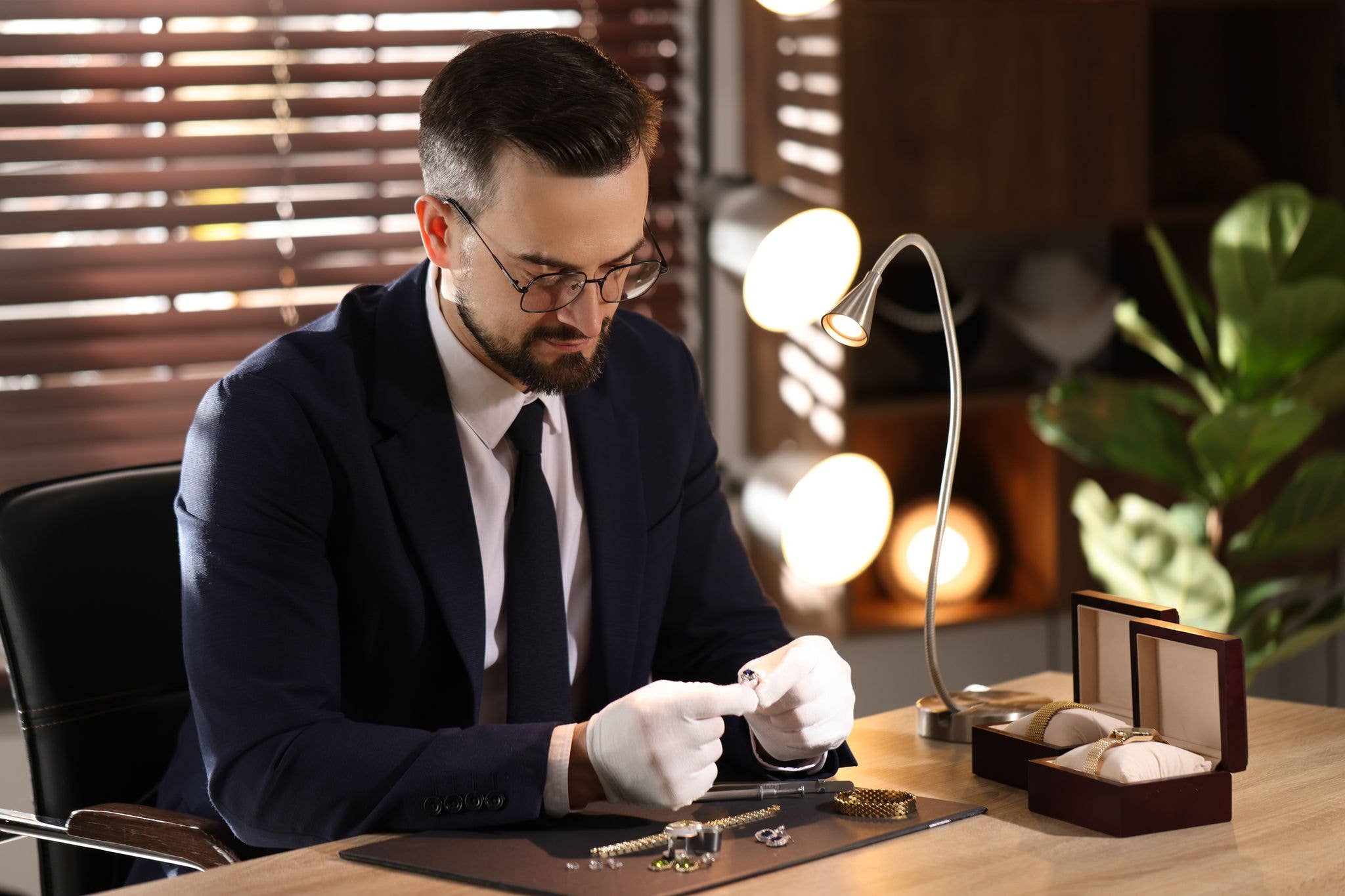
From your great-grandfather’s pocket watch to gold necklaces and diamond-studded rings, valuable jewelry holds both financial and sentimental value—which means insuring it is vital.
Jewelry can be insured in several ways; it can be covered through your homeowners or renters insurance policy, through a dedicated jewelry insurer or even both.
We’ll break down how jewelry is appraised and insured, and leave you with some tips for keeping it safe.
Find out more about home insurance.
Find out more about home insurance.
Life happens. Jewelry can be lost, damaged or stolen, even when you’re careful. Jewelry insurance helps cover the cost to repair or replace your cherished items if the worst happens.
In most cases, jewelry insurance covers:
Specific jewelry coverage isn’t technically required, as standard homeowners insurance or renters insurance often provides limited protection for jewelry. The problem is, those limits may be far lower than the actual value of your pieces. Having specific insurance for jewelry is a smart idea for extremely valuable or priceless pieces.
A jewelry appraisal determines the value of your item so you can select the appropriate amount of coverage. Here’s how to get started:
If you’re considering adding an engagement ring (or any valuable jewelry) to your home insurance, you’ll likely need a jewelry rider, also known as Scheduled Personal Property (SPP) coverage.
Scheduled Personal Property coverage allows you to add coverage for specific items to your homeowners or renters insurance policy.
Here’s how it works:
Adding a jewelry rider is a common and convenient option if you already have homeowners or renters insurance and want everything under one policy.
Ownership and policy details matter more than many people realize. When you add jewelry to an insurance policy, be sure to include both the giver’s and the recipient’s names if applicable.
Here’s what to keep in mind:
Clear ownership details help prevent claim issues down the road.
Insurance is essential, but smart habits help keep your jewelry safe, too. Here are a few practical tips:
If you own high-value jewelry, you likely treasure it. Getting it insured is always a smart move.
If you’d like to know more about jewelry insurance, talk to your insurance agent today—they can help you determine how much coverage you need and answer any questions.
Published 5-27-26
If you had to file a home insurance claim, could you list all items in your home? Create a home inventory to make future home insurance claims easy.

Learn about homeowners insurance and why it's essential to protect your home. Find out what home insurance covers and the basics of home insurance claims.

Learn how to add new items to your home and auto insurance policy after the holidays. Get in touch with your insurance agent about insuring your valuables.
Contact your rep or call us at 866-COUNTRY (866-268-6879). Find out more about home insurance.
COUNTRY Financial® is a family of affiliated companies (collectively, COUNTRY) located in Bloomington, IL. Learn more about who we are.
Home insurance policies issued by COUNTRY Mutual Insurance Company®, COUNTRY Casualty Insurance Company® or COUNTRY Preferred Insurance Company®, Bloomington, IL.
We take pride in providing accurate, truthful information in our articles. See our editorial standards to learn more.