
How Much Is Car Insurance?
In almost all states, a minimum amount of car insurance is required. Learn more about how much car insurance costs, what factors determine the rates, and more.

by COUNTRY Financial
To streamline the quoting process, have your personal and vehicle information available before requesting a car insurance quote. Most of it can be found quickly, though a few details may take a bit of searching.
Having the details ready before you start a quote can help the process move along without needing to pause and track something down mid-form or mid-call.
Find out more about car insurance.
Find out more about car insurance.
Before requesting a car insurance quote, gather the folowing information:
Personal information:
Vehicle information:
You'll need this information whether you request a quote online or work with a representative. Insurers also ask who else may regularly drive your vehicle, how long they've had their licenses and if they have any violations or accidents on their records.
Insurers use these details to estimate risk, and risk factors shape the numbers that show up on a quote.
A driving record with fewer violations, along with a vehicle that's less likely to be stolen or costly to repair, can factor into your rate. In most states, credit standing may also be a factor, though this varies by location, and some states restrict or prohibit the use of credit scores in insurance pricing altogether. Insurers typically pull this information themselves during underwriting, so you don't need your credit score on hand before requesting a quote.
Vehicle safety features, such as anti-theft devices or collision-avoidance sensors, may also be considered in pricing on newer models.
Make sure the information you provide is as accurate as possible. If a detail changes during underwriting review, such as a driving record correction or a mismatched VIN, the quote may need to be revisited.
COUNTRY Financial® lets you start a car insurance quote online or through a local representative. Both paths draw on the same information, so preparation doesn't change based on which one you choose.
Starting online typically begins with a zip code. That single detail determines your state's minimum coverage requirements and reflects regional risk, including local accident rates and repair costs, both of which shape your rate. From there, you'll confirm your name, address and vehicle details.
Working with a local representative instead means having a conversation, though the same information still applies. A representative can also help explain coverage options along the way, which may be useful if you have questions about deductibles or limits, or if your situation includes anything unusual, like a rebuilt title or a car used partly for business.
If this is your first car insurance policy, providing your personal and vehicle details is all you'll need to request a quote. Switching from another insurer also means having your current policy's coverage types and limits on hand, along with your renewal date if you'd like the new policy to start right when the old one ends.
Knowing what you already have can make it easier to compare a new quote against your existing policy, rather than guessing whether the numbers reflect similar coverage. It also helps confirm you're not left with a coverage gap between the two policies.
Beyond your name, address and vehicle details, a few coverage-related questions are worth thinking through before you start, especially if you're working with a representative. These don't require a final decision before you request a quote, but having a general sense of your answers can make the conversation more productive.
Consider:
Liability limits vary by state and are designed to help cover injuries or property damage you're responsible for in an accident, up to your policy's limit. A lower deductible is generally associated with a higher premium, while a higher deductible may lower the premium but could increase what you'd pay out of pocket after a claim.
Reviewing both before requesting a quote can make it easier to compare offers on similar terms, rather than comparing two policies that only look similar on price.
Once quotes are in hand, comparing coverage options and costs side by side is the next step, since limits and deductibles can vary meaningfuly between policies even at similar price points. A policy with a lower premium but a much higher deductible, for example, may cost more overall after a claim than a policy priced slightly higher upfront. These are the kinds of questions worth discussing with a representative rather than deciding alone.
These are the details worth having ready before requesting a quote. Personal information
Vehicle information
Household drivers
If switching insurers
Coverage preferences
The same details apply whether you're requesting one quote or comparing several. If you're also insuring a home, having that policy's details on hand may be worth it, too. Bundling auto and home coverage may help eligible policyholders see lower costs through the multi-policy discount, using much of the same personal and vehicle information for both quotes.
Having these details ready can make requesting a quote take only a few minutes.
A few related questions come up often when preparing for a car insurance quote.
You'll need your name, date of birth, address and driver's license number, along with your vehicle's year, make, model and VIN. If anyone else regularly drives the car, have their license information and driving history ready too.
Requesting a quote typically takes only a few minutes once your personal and vehicle information is ready, whether you're working online or with a representative.
Yes. Having your current coverage types, limits and renewal date on hand makes it easier to compare a new quote against what you already have.
In most states, credit standing may factor into your rate, though this varies by location and some states restrict its use. Insurers typically pull this information themselves, so you don't need your score on hand.
Bundling auto and home coverage may help eligible policyholders see lower costs through the multi-policy discount, using much of the same personal and vehicle information.
Start a quote online, or connect with a local representative to walk through coverage options together.
Published 8-21-26
In almost all states, a minimum amount of car insurance is required. Learn more about how much car insurance costs, what factors determine the rates, and more.

Not sure how to switch car insurance companies? Here are seven steps that can help.
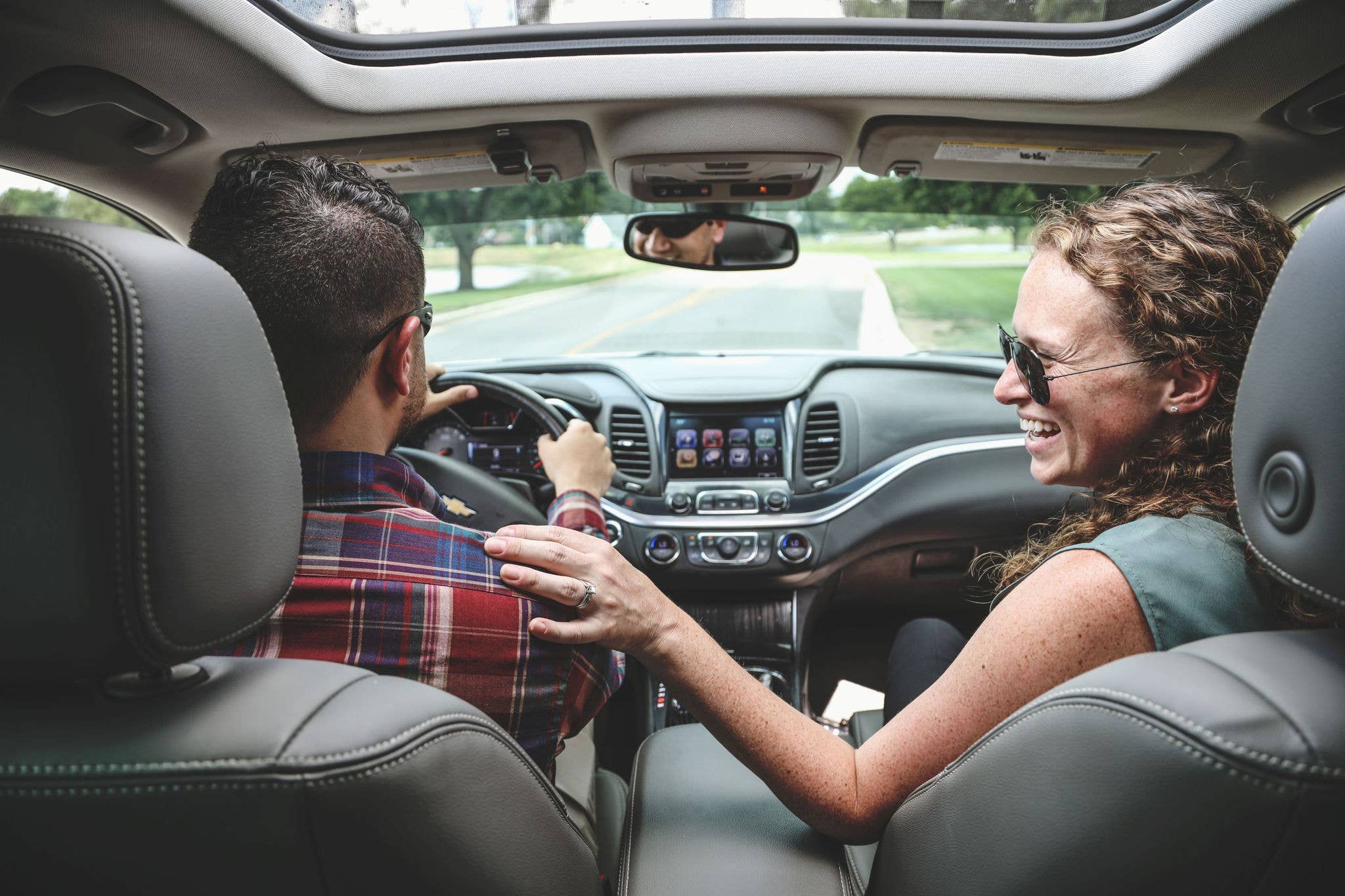
Explore six factors to consider when choosing car insurance: liability limits, deductibles, collision, comprehensive and uninsured motorist coverage.
Contact your rep or call us at 866-COUNTRY (866-268-6879). Find out more about car insurance.
COUNTRY Financial® is a family of affiliated companies (collectively, COUNTRY) located in Bloomington, IL. Learn more about who we are.
Auto insurance policies issued by COUNTRY Mutual Insurance Company®, COUNTRY Preferred Insurance Company® and COUNTRY Casualty Insurance Company®, Bloomington, IL.
The descriptions provided are for general informational purposes only and are not intended to constitute an insurance policy or to modify, amend or extend the terms, conditions or coverages of any insurance policy. Coverage, terms, limitations and exclusions vary. For complete details, please refer to the applicable insurance policy or contact a COUNTRY Financial representative.