
5 Small Business Saturday Ideas for Business Owners
Small business Saturday ideas include 1. offer incentives for shoppers, 2. team up with nearby businesses, 3. support local charity, 4. give your clients an experience and 5. get social.
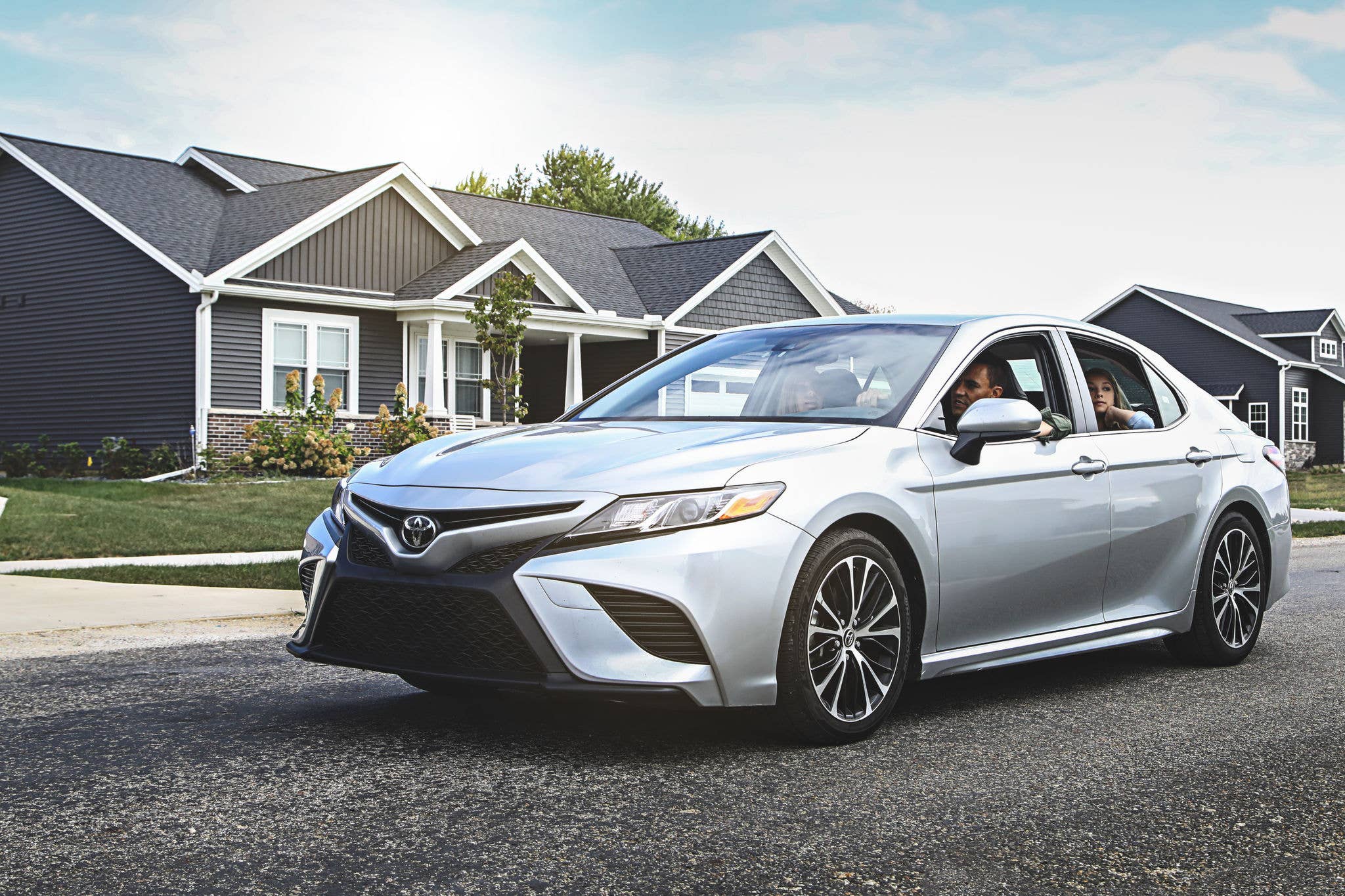
Company drivers are exposed to several risks on the road. In fact, according to a Bureau of Labor Statistics report, transportation incidents are the leading cause of work-related fatalities in the United States. Additionally, the most recent data from the Network of Employers for Traffic Safety found that U.S. traffic crashes cost employers over $72 billion annually, demonstrating that drivers can also create major liabilities for a company.
With these safety and financial risks, companies must take steps to ensure their employees are operating as safely as possible while driving. Doing so can not only help prevent injuries and property damage but it can also help organizations reduce the risk of facing liability claims and improve the company's public image by demonstrating a commitment to roadway safety. This article explores measures businesses can take to create safer drivers.
Find out more about business insurance.
Find out more about business insurance.
There are several actions businesses can take to create safer drivers, including:
Employers have a duty to ensure safe working conditions for their employees and ensuring steps are in place to foster safe driving is essential to achieving this objective. Implementing measures to create a culture of safe driving can not only help prevent injuries and fatalities to those on the road, but it can also mitigate liabilities a business may face.
Updated 7-8-25
Small business Saturday ideas include 1. offer incentives for shoppers, 2. team up with nearby businesses, 3. support local charity, 4. give your clients an experience and 5. get social.
Start a quote or call us at 866-COUNTRY (866-268-6879). Find out more about business insurance.
Contact your rep or call us at 866-COUNTRY (866-268-6879). Find out more about business insurance.
COUNTRY Financial® is a family of affiliated companies (collectively, COUNTRY) located in Bloomington, IL. Learn more about who we are.
Business insurance policies issued by COUNTRY Mutual Insurance Company®, Bloomington, IL.
The information is for general educational and informational purposes only and is not intended to be comprehensive. The information is not intended to serve as safety advice and should not be used in place of a consultation with appropriate professionals and/or a safety or risk evaluation. The COUNTRY Financial® group assumes no liability for any injuries or damages resulting from the use of the information, materials or opinions provided in this document. The COUNTRY Financial group disclaims all warranties, either express or implied, statutory or otherwise.
1Occupational Safety and Health Administration
We take pride in providing accurate, truthful information in our articles. See our editorial standards to learn more.
This Risk Insights is not intended to be exhaustive nor should any discussion or opinions be construed as legal advice. Readers should contact legal counsel or an insurance professional for appropriate advice. 2024 Zywave, Inc. All rights reserved.