
Key Person Insurance for Your Small Business
Key person insurance assists with financial resources for small businesses suffering from a loss of a key employee because of unexpected death or disability.
The Occupational Safety and Health Act (OSH Act) generally requires covered employers to prepare and maintain records of occupational injuries and illnesses. The Occupational Safety and Health Administration (OSHA) is a part of the U.S. Department of Labor and is responsible for administering the recordkeeping system established by the OSH Act.
To comply with OSHA's recordkeeping rules, employers must first determine which incidents to record. In some cases, this can require a detailed analysis to assess whether an incident is work-related.
This Compliance Overview provides a sample workflow employers can use to determine whether an injury or illness is work-related and must be entered into the organization's OSHA records. Employers can also reference published OSHA guidance and frequently asked questions in their efforts to determine whether to record a specific incident.
Find out more about business insurance.
Find out more about business insurance.
Employers must consider an injury or illness to be work-related if an event or exposure in the work environment either caused or contributed to the resulting condition or significantly aggravated a pre-existing injury or illness. Work-relatedness is presumed for injuries and illnesses resulting from events or exposures occurring in the work environment, unless an exception applies.
Injury or illness reported assumes the individual reporting the injury or illness is an employee of 0. If the employee is a temporary employee from a temporary staffing agency, incidents are to be recorded in the 300 log; however, the temporary staffing agency would be responsible for reporting workers' compensation claims to the carrier.
Defined as:
The management and care of a patient to combat disease or disorder. It does not include:
Defined by OSHA regulations (section 1904.7 (b)(5)). Treatments that are considered first aid include:
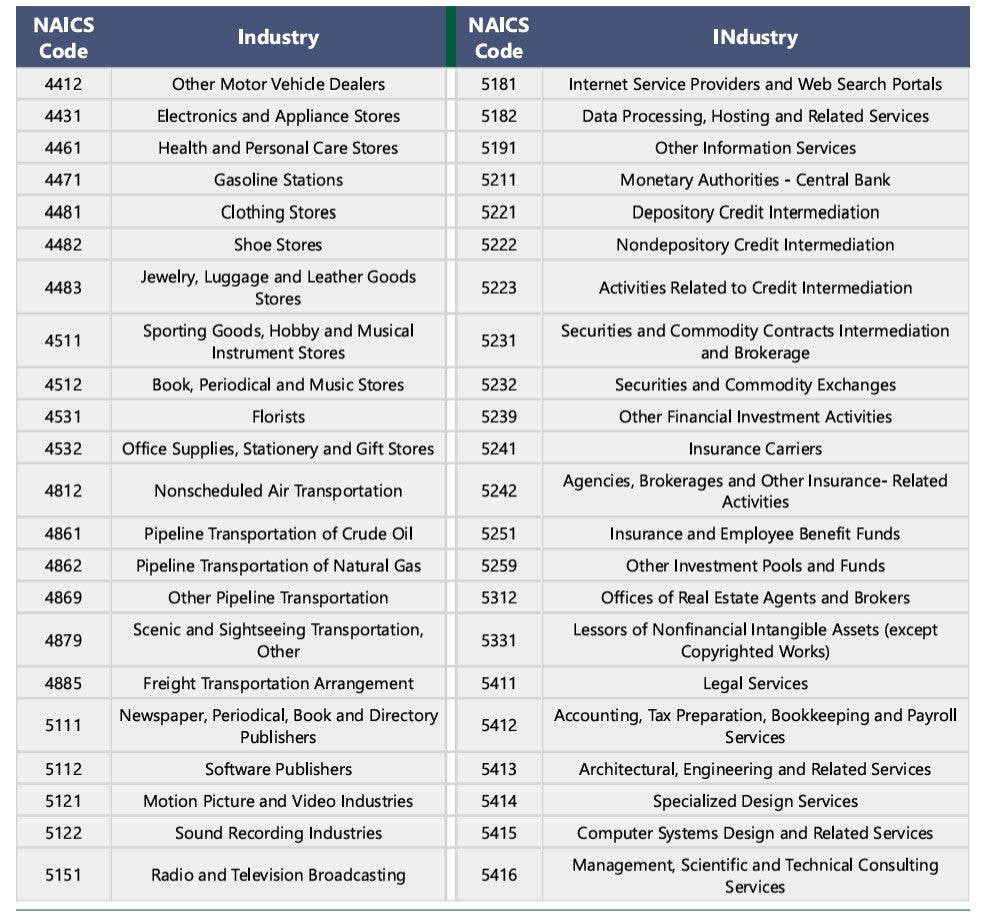
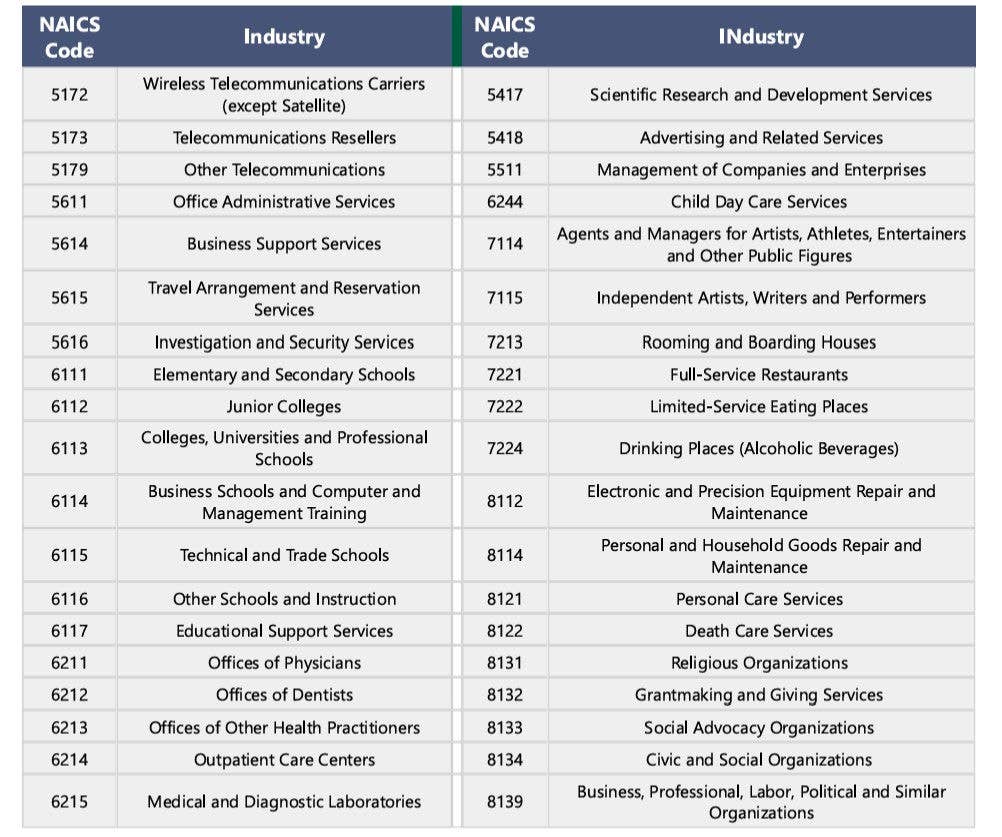
Employers are not required to keep OSHA injury and illness records for any establishment classified in the following North American Industry Classification System (NAICS) codes, unless they are asked in writing to do so by OSHA, the Bureau of Labor Statistics (BLS) or a state agency operating under the authority of OSHA or the BLS.
All employers, including those partially exempted by reason of company size or industry classification, must report to OSHA any workplace incident that results in a fatality within eight hours. They must also report to OSHA within 24 hours the in-hospitalization of at least one employee, an amputation or the loss of an eye (see § 1904.39). The partially exempt industry classifications are listed in the table below.
Updated 7-8-25
Key person insurance assists with financial resources for small businesses suffering from a loss of a key employee because of unexpected death or disability.
Start a quote or call us at 866-COUNTRY (866-268-6879). Find out more about business insurance.
Contact your rep or call us at 866-COUNTRY (866-268-6879). Find out more about business insurance.
COUNTRY Financial® is a family of affiliated companies (collectively, COUNTRY) located in Bloomington, IL. Learn more about who we are.
Business insurance policies issued by COUNTRY Mutual Insurance Company®, Bloomington, IL.
The information is for general educational and informational purposes only and is not intended to be comprehensive. The information is not intended to serve as safety advice and should not be used in place of a consultation with appropriate professionals and/or a safety or risk evaluation. The COUNTRY Financial® group assumes no liability for any injuries or damages resulting from the use of the information, materials or opinions provided in this document. The COUNTRY Financial group disclaims all warranties, either express or implied, statutory or otherwise.
1Occupational Safety and Health Administration
We take pride in providing accurate, truthful information in our articles. See our editorial standards to learn more.
This Compliance Overview is not intended to be exhaustive nor should any discussion or opinions be construed as legal advice. Readers should contact legal counsel for legal advice. ©2019-2021 Zywave, Inc. All rights reserved.