
5 Small Business Saturday Ideas for Business Owners
Small business Saturday ideas include 1. offer incentives for shoppers, 2. team up with nearby businesses, 3. support local charity, 4. give your clients an experience and 5. get social.
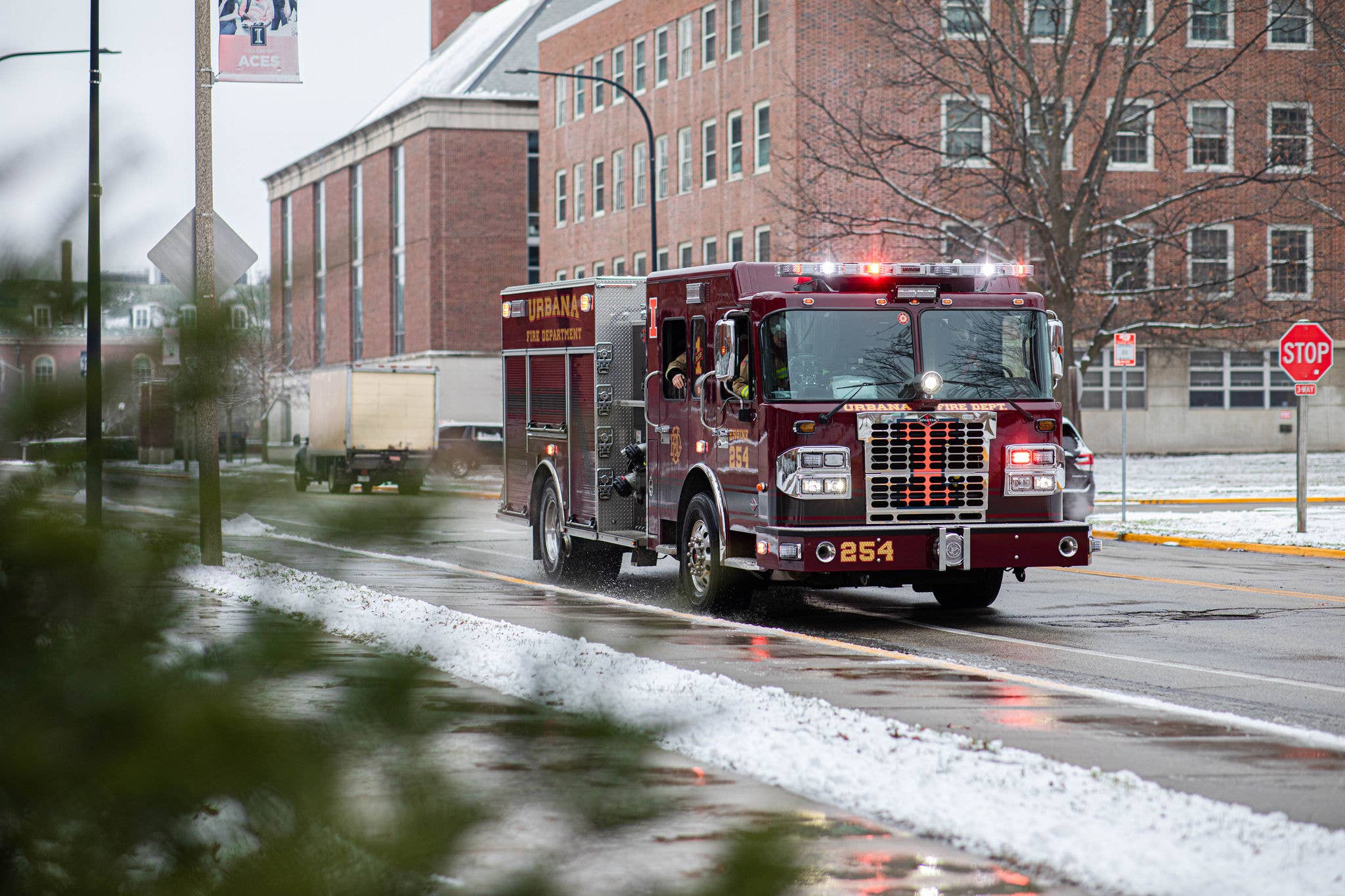
For businesses, the risk of a fire is a considerable one that can have serious ramifications. Many businesses that suffer a major fire either do not reopen or fail within three years of the fire.
While it is important to have proper fire insurance coverage, prevention and preparation are keys to minimizing your risk. Fire extinguishers play an important role in your preparation efforts, and in the event of a fire, they could mean the difference between minor damage and a complete disaster. Follow the standards below to ensure that you are prepared to protect your business and employees through the proper use of fire extinguishers.
Find out more about business insurance.
Find out more about business insurance.
There are five different classifications of fires. Some fire extinguishers should be used specifically for only one type of fire, while others are effective for multiple types. However, some extinguishers are quite dangerous when used on the wrong type of fire. Fire extinguishers should have labels specifying which type(s) of fire they are meant to combat.
OSHA has standards regarding portable fire extinguishers that employers provide for employees. Following these standards is not only important from a compliance standpoint, but also to help keep your employees and company safe and minimize the risk involved with a fire.
Employers must provide approved portable fire extinguishers where employees may easily locate, identify and access when necessary. The extinguishers should be fully charged and operable at all times and kept in their designated spot when not in use.
Fire extinguishers should be selected based on the class of anticipated or possible workplace fires. Your workplace may be vulnerable to multiple types of fires, in which case you would need the appropriate extinguisher for each type. Fire extinguishers should be placed within a specified distance from any person potentially needing access to them, based on class:
The employer must conduct, or have an expert conduct, an annual inspection for each fire extinguisher. Note that stored-pressure extinguishers do not require an internal inspection. OSHA requires that the date of the check must be recorded and retained for a year.
Stored pressure, dry-chemical extinguishers that require a 12-year hydrostatic test should undergo applicable maintenance every six years.
Portable extinguishers should undergo hydrostatic testing according to the appropriate interval depending on the type of extinguisher-see OSHA 1910.157(f). Also, employers should follow all other maintenance requirements under that section.
The employer also must provide education for employees to familiarize them with the general principles of fire extinguisher use. Training should include:
This training should occur upon initial employment and at least annually thereafter. For a full list of OSHA regulations regarding fire extinguishers, visit www.osha.gov/pls/oshaweb/owadisp.show_document?p_table=STANDARDS&p_id=9811.
The NFPA is a nonprofit organization that strives to prevent fires and minimize their effects. It publishes a set of codes and standards regarding fire, electrical and building safety. Though these codes are not legally binding themselves, many local, state and federal lawmakers have adopted certain NFPA codes in their own law. The codes are useful to know and follow for the protection of your business and employees.
Many, though not all, of the codes overlap with OSHA guidelines. Here is a summary of some of the prominent codes:
Updated 7-8-25
Small business Saturday ideas include 1. offer incentives for shoppers, 2. team up with nearby businesses, 3. support local charity, 4. give your clients an experience and 5. get social.
Start a quote or call us at 866-COUNTRY (866-268-6879). Find out more about business insurance.
Contact your rep or call us at 866-COUNTRY (866-268-6879). Find out more about business insurance.
COUNTRY Financial® is a family of affiliated companies (collectively, COUNTRY) located in Bloomington, IL. Learn more about who we are.
Business insurance policies issued by COUNTRY Mutual Insurance Company®, Bloomington, IL.
The information is for general educational and informational purposes only and is not intended to be comprehensive. The information is not intended to serve as safety advice and should not be used in place of a consultation with appropriate professionals and/or a safety or risk evaluation. The COUNTRY Financial® group assumes no liability for any injuries or damages resulting from the use of the information, materials or opinions provided in this document. The COUNTRY Financial group disclaims all warranties, either express or implied, statutory or otherwise.
1Occupational Safety and Health Administration
We take pride in providing accurate, truthful information in our articles. See our editorial standards to learn more.
Provided by COUNTRY Financial
This Risk Insights is not intended to be exhaustive nor should any discussion or opinions be construed as legal advice. Readers should contact legal counsel or an insurance professional for appropriate advice. © 2009-2011 Zywave, Inc. All rights reserved.