Retail Store Insurance

Customized coverage to meet your retail business insurance needs.

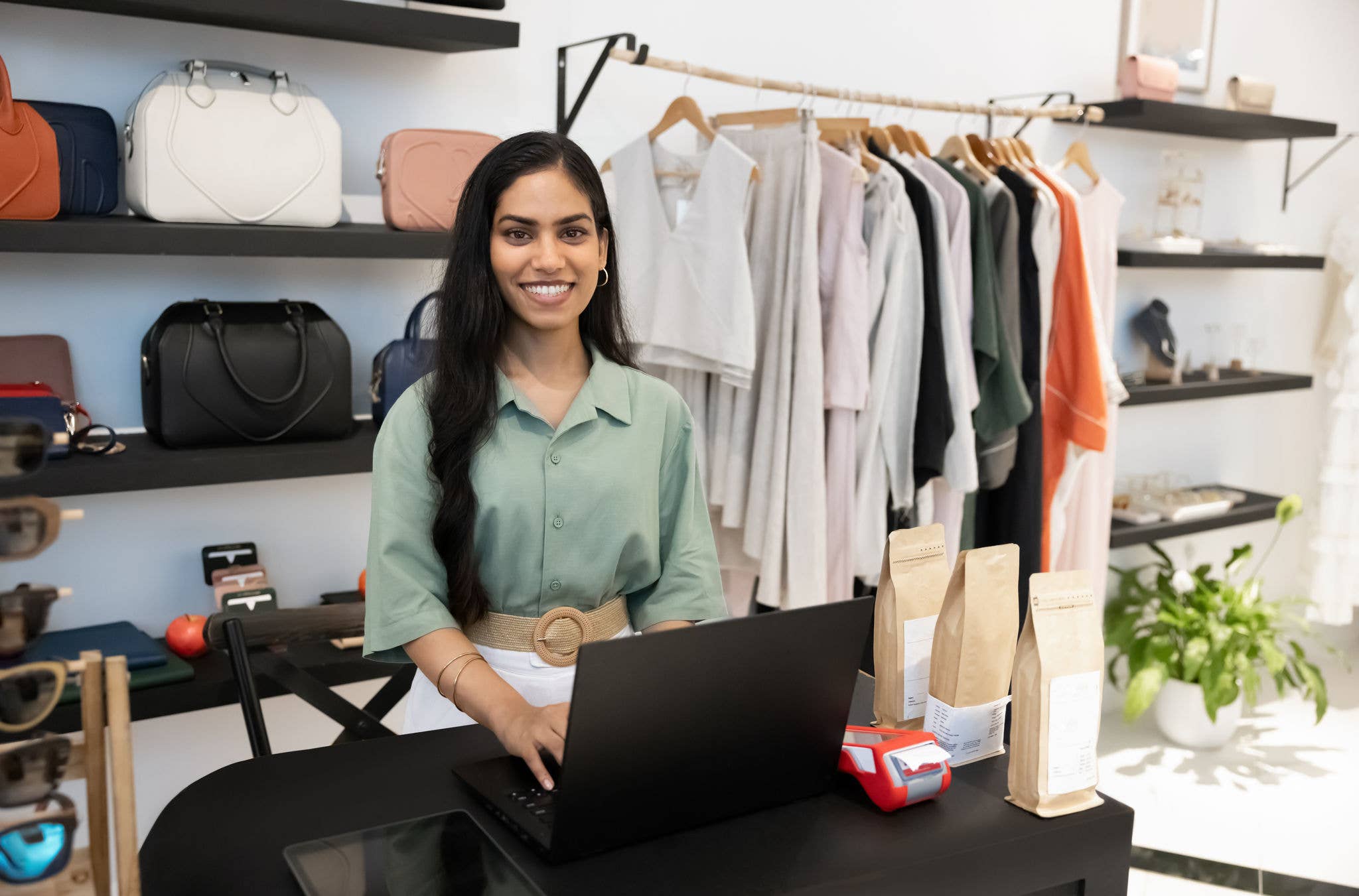
Boutique worker standing behind checkout counter in clothing and accessories store, working on laptop.

Who needs retail insurance?

The goal of retail insurance is to help you recover, stay open and keep moving forward when the unexpected happens - like accidents, lawsuits, property damage, theft, cyber incidents and more. Retail insurance is important for businesses that sell apparel, accessories, footwear or related products to consumers. Businesses with physical storefronts, online sales channels or delivery operations may all benefit from coverage. Some examples are: 

  • Auto parts store
  • Bakeries
  • Bicycle shops
  • Photography equipment
  • Clothing store
  • Florists
  • Furniture store
  • Jewelry stores
  • Shoe store

What types of insurance does a clothing store need?

Most retail and clothing businesses require a combination of insurance coverages to help protect against liability claims, property losses, employee injuries and operational disruptions. Examples may include: 

  • Business Owners Policy (BOP) - This policy combines general liability and commercial property coverage into a single package to save you money. It can cover everything vital to the operation of your business—your brick-and-mortar location, inventory, shelving and more.  
  • Commercial auto - If you own delivery vehicles (operated by yourself or employees), commercial auto coverage can help pay for accident-related property damage, injuries and vehicle repairs.

Additional insurance retail businesses may need

  • Business umbrella coverage - This coverage protects your business if and when you reach the limit on your liability insurance. Umbrella covers you for large or unexpected claims, which are potentially devastating. That way, one bad day won’t undo years of your work.  
  • Workers compensation - Accidents happen at retail businesses all the time. Employees could slip and fall, injure themselves or a variety of other things, and that could mean medical expenses and lost wages. Workers’ comp insurance covers those expenses, so business doesn’t stop because of a bad moment. In many states, it’s also legally required coverage.
  • Data breach coverage - Hackers leave no stone unturned trying to find sensitive financial information. If your customers were ever exposed, you’d be on the hook for things like identity theft monitoring and remediation services, credit monitoring, maybe even PR or crisis management costs. That’s why data breach coverage is so important. You’ll stay up and running with $10,000 automatically and an option to increase up to $250,000 in coverage.
Smiling insurance agent at desk with laptop

Looking for an insurance agent?

Your local insurance agent can help you find the right small business insurance.

How much does retail  insurance cost?

At COUNTRY Financial, we help you customize your retail business insurance with broad general coverage and specific add-ons unique to you, so the cost can vary. Factors that affect the cost for your home retail or clothing insurance include: 

  • The size of your business
  • Coverages and limits you select
  • Your claims history
  • Number of employees
  • The type of merchandise you sell
  • Property you own

FAQs

Retail  insurance, or retail business insurance, is a combination of insurance coverages to help protect against liability claims, property losses, employee injuries and operational disruptions. Coverages can include: 

  • Retail liability insurance
  • Business Owner's Policy
  • Commercial auto
  • Business umbrella coverage
  • Workers' compensation
  • Data breach coverage

Coverage can vary by policy, coverage level, insurer and state. Largely, though, it can cover things like:

  • Third-party injuries and property damage
  • Commercial vehicles
  • Employee injuries and workers’ compensation, where required
  • Legal defense costs and settlements
  • Data breach

The amount of retail liability insurance you need depends on your business size, customer traffic, annual revenue and overall risk exposure. Many retailers choose general liability limits that help cover injuries, property damage claims, legal expenses and more. A licensed insurance professional can help determine the right coverage limits for your specific operation.

Factors that affect your commercial property insurance for retail stores include:

  • The size of your business
  • Coverages and limits you select
  • Your claims history
  • Number of employees
  • The type of merchandise you sell
  • Property you own

We customize your insurance to your needs so you're protected in case the unexpected happens. 

While small retail business insurance isn't necessarily required by law, it's not something you should go without. Consider a few of the biggest threats to small businesses:

  1. Property protection: Property holdings are likely your largest asset; it's vital you protect them.
  2. Interruption of business: Many small businesses never reopen after a natural disaster. If your business isn't insured, yours could be one of them.
  3. Liability losses: Managing personnel and dealing with customers opens your business up to a multitude of lawsuits. Proper protection can help keep your business covered.
  4. Data management: If your business stores any records electronically, you know the importance of robust cybersecurity. But you may not have known that you can also purchase insurance coverage to help protect your business' data.

You may also like

Get a business insurance quote

COUNTRY Financial® is a family of affiliated companies (collectively, COUNTRY) located in Bloomington, IL. Learn more about who we are.

Business insurance policies issued by COUNTRY Mutual Insurance Company®, Bloomington, IL.